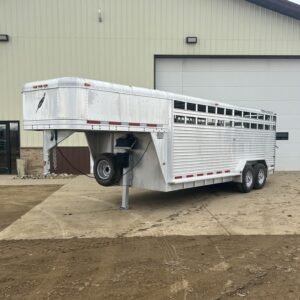
Buying large equipment like shipping containers, trailers, or propane tanks is a big decision. The right choice depends on how you plan to use it, where it will be placed, and what level of durability you need. This guide is designed to help you understand what to look for before you buy.
1. Define Your Use Case
Start with how the equipment will actually be used.
Shipping containers may be used for storage, job sites, or conversions.
Horse trailers should prioritize safety, ventilation, and animal comfort.
Propane tanks require proper sizing, certification, and placement.
Dump and utility trailers vary based on load capacity, axle rating, and terrain.
Being clear about your use helps avoid overbuying or choosing something that won’t hold up long term.
2. New vs. Refurbished Equipment
Not all buyers need brand-new equipment. Refurbished or reclaimed units can be a cost-effective option when they’ve been properly inspected and maintained.
Always confirm the condition, age, and any reconditioning work performed.
3. Size, Weight, and Capacity
Make sure the equipment fits both your needs and your site.
Check interior and exterior dimensions.
Confirm load ratings and weight limits.
Consider towing capacity for trailers and delivery access for containers or tanks.
Planning ahead prevents costly delivery or compatibility issues.
4. Compliance and Quality Standards
Equipment should meet applicable safety and manufacturing standards. Working with an ISO-certified manufacturer helps ensure consistent quality control and documented processes throughout production and inspection.
For regulated items like propane tanks, certifications and compliance are especially important.
5. Delivery, Placement, and Support
Ask questions about:
Delivery options and site requirements
Offloading and placement responsibilities
Ongoing support or documentation provided after purchase
Clear communication upfront leads to a smoother buying experience.
6. Ask Questions Before You Buy
A reputable seller should be willing to explain:
Product condition and history
Recommended use cases
Maintenance considerations
Warranty or return policies, if applicable
If something isn’t clear, ask. Transparency matters.
Need Help Choosing?
If you’re unsure which product fits your needs, our team is available to walk you through your options and provide straightforward guidance no pressure, just practical advice.